
Connection & Intimacy
Postpartum Anxiety and Depression in Men
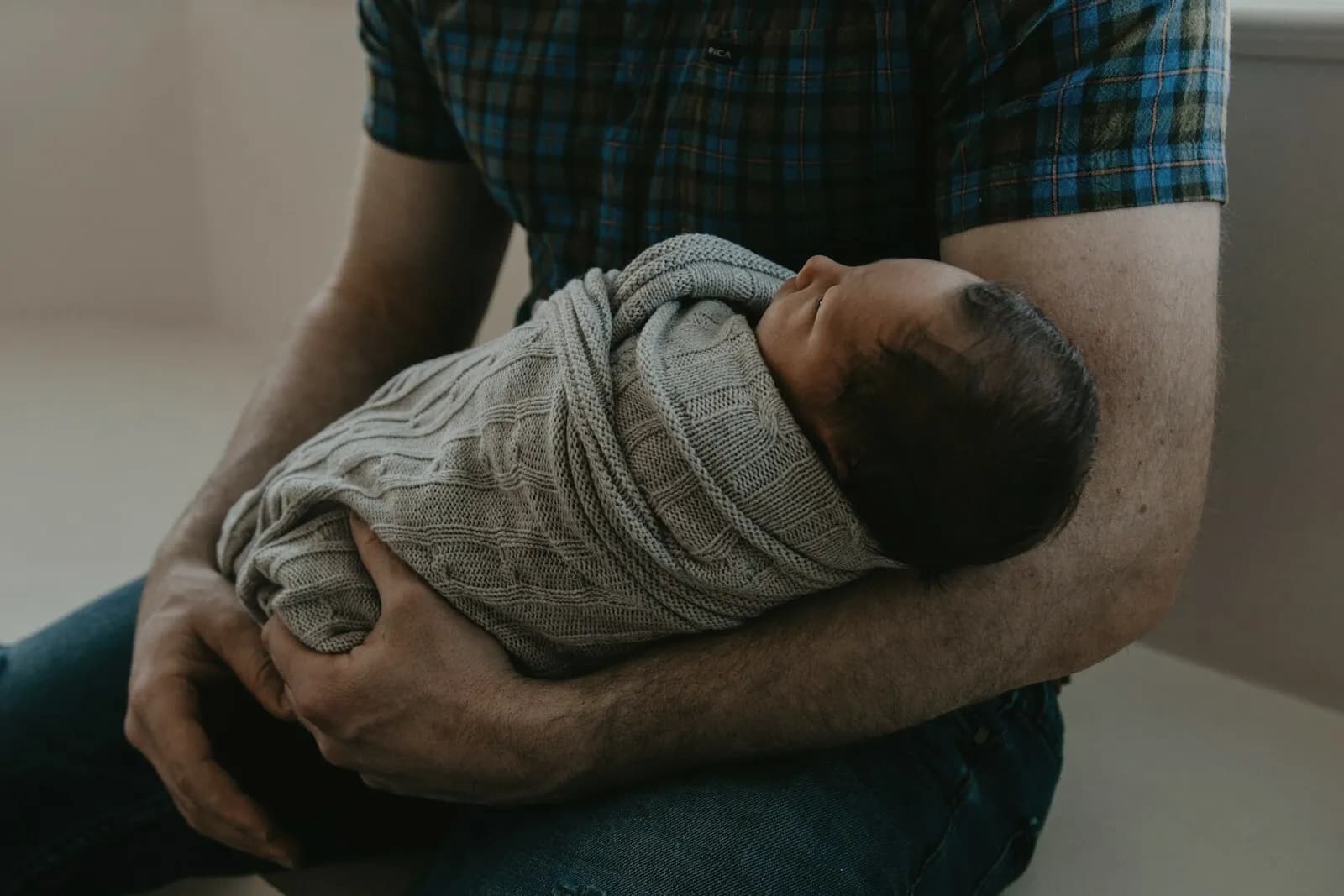
Are you a father who has been plagued by intrusive thoughts since the birth of your child?
Among new dads, postpartum depression and anxiety are extremely common. While symptoms often occur two to four weeks after delivery, some men have the beginning of symptoms during pregnancy, while others experience the onset as late as six months after the delivery of their child.
Postpartum depression and anxiety is characterized by a spectrum of depression-like symptoms, including feelings of isolation and hopelessness. Thankfully, treatments for postpartum anxiety and depression can be very effective.
Postpartum Paternal Depression and Anxiety is More Common than Most People Realize
Maternal Postpartum depression is well-known and extensively studied. However, paternal postpartum depression (PPD) has been mostly overlooked. It is imperative that therapists and healthcare practitioners be aware of the incidence and severity of PPD in today’s culture, when males are more involved in childrearing. Postpartum depression and anxiety in dads has the potential to significantly impair their capacity to provide for their family as well as provide their children and spouse adequate emotional support.
Postpartum Anxiety and your relationship
When most of us feel anxious, we turn to our spouse for assistance in managing our anxiety. This is important because reaching out to a loved one and getting support from them relaxes our nervous system and restores us to a healthy state of equilibrium.
As children, we often seek comfort from our parents or another trusted adult; as adults, we turn to our spouse instead. When a parent suffers from postpartum anxiety disorder after the birth of a child, this might strain their relationship since they need additional assistance. A person with anxiety may also be unable to provide assistance to their spouse when required. In a relationship in which one spouse feels anxious, the unaffected partner may have feelings of being overwhelmed and unsupported.
Postpartum Depression and your Relationship
Postpartum depression may have various effects on the relationship. Postpartum depression is a severe, multifaceted condition. As postpartum depression may change eating, sleep patterns, and physical vitality, as well as cause gastrointestinal discomfort and other unexplained medical problems, physical health may be affected.
One of the most significant effects that postpartum depression may have on a relationship is a shift in how the individual perceives him or herself and the environment. A depressive episode increases the likelihood of interpersonal problems. The impacted spouse may see the relationship negatively, which may or may not be accurate. They could retreat from their spouse and fail to contribute to the relationship’s quality. Over time, depression may create irreparable harm to a relationship.
Self-care
Frequently, new parents feel they have little time to care for themselves. Babies need so much time and attention! Nonetheless, self-care may help you become a more successful parent.
In therapy, we will assist you in practicing self-care during and after the pregnancy, including enough rest, exercise, and diet. It has been demonstrated that engaging in moderate exercise on a regular basis may improve one’s mood.
Reach out for assistance now
Call or text 732-656-8398, or fill out the contact form to schedule an initial session and evaluation at Couple Therapy Services if you are experiencing postpartum depression and anxiety. Do not wait for your symptoms to worsen before seeking assistance.

Written By
Brianna Brunner, LCSW
Founder & Licensed Clinical Social Worker
Brianna is a Gottman-trained Licensed Clinical Social Worker and the founder of Couples Therapy Services. She has spent over a decade helping New Jersey couples rebuild trust and reconnect, and her insight has been featured in SELF and Wondermind.
Keep Reading
More from our therapists on building a relationship worth keeping.









You Do Not Have to Carry This Alone
If fatherhood has brought unexpected anxiety or depression, support is available and effective. Get matched or book a free consultation to find a therapist who fits.